
“How long does a full charge last?” is one of the most common questions European and American importers and dealers encounter when purchasing cordless landscaping tools. WindRider has also received customer feedback raising concerns about insufficient battery life.
Answering this question requires more than just a single number. The battery, the tool, the task at hand, the kit configuration, and ongoing operating costs must all be considered together. Even batteries with the same rated capacity will not deliver the same runtime when paired with a pole saw or hedge trimmer performing different tasks. If product descriptions are unclear, end users may easily mistake configuration differences for quality issues.
Before comparing electric pole saws and hedge trimmers, we recommend checking the following seven points.
1. Define the task first, then select the tool and battery
Pole saws and hedge trimmers are designed for different pruning tasks. When making a purchase, first determine whether the customer primarily needs to trim individual branches or shape the surface of a hedge, and then decide on the tool type and configuration.
When inquiring about the work to be done, do not simply record “garden trimming.” Branch size, wood condition, trimming frequency, and whether a telescoping pole is required will all affect model selection and test arrangements.
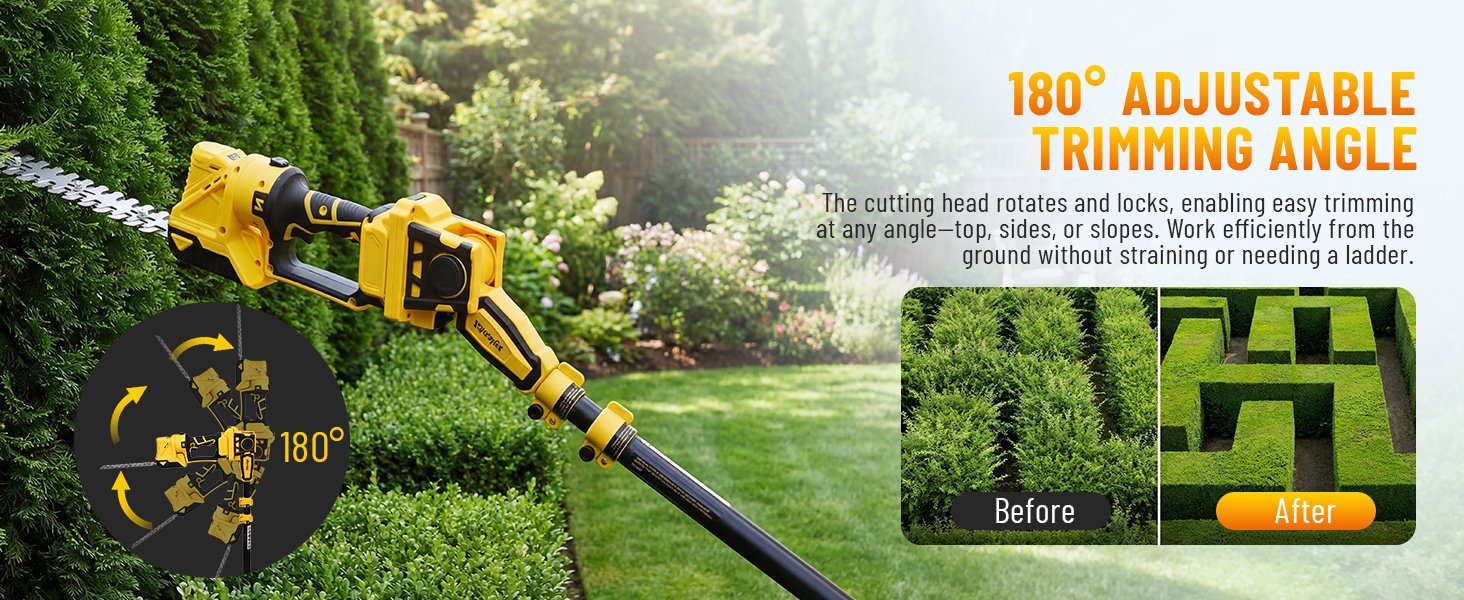
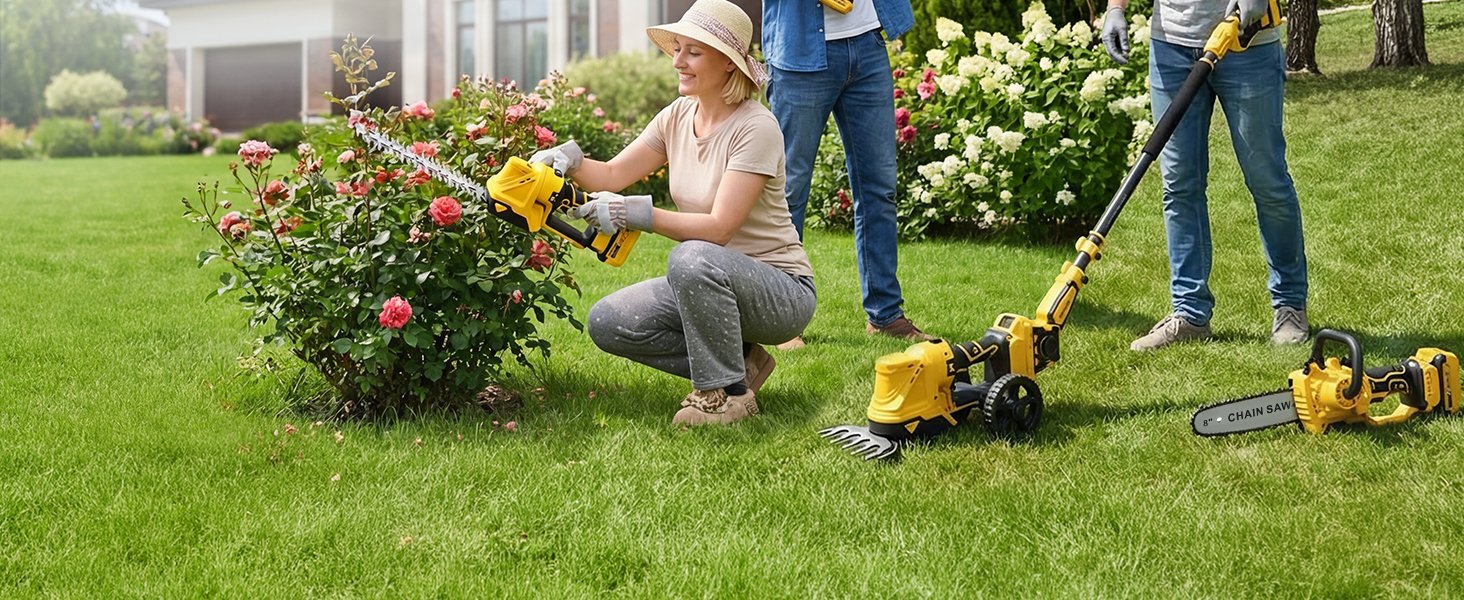
Take the WindRider 200K pole saw and 480H combination package as an example: during the selection discussion, clearly specify the tasks for sawing and hedge trimming separately, then verify the main unit versions and accompanying components. The value of a combination package lies in its ability to cover different work requirements, but each tool still has its own scope of application; the cutting capacity of a single tool cannot be used to describe the entire set.
2. Confirm what the battery runtime figures measure
“Operating time” and “number of cuts” are two different ways of describing performance. For pole saws, recording the number of cuts a single battery can make on a specified material may be easier to understand; for hedge trimmers, recording the actual operating time under specific conditions is more appropriate.
Regardless of the method used, test conditions should be provided, including the tool model, battery specifications, material being cut, material dimensions, and the criteria for ending the test. A distinction should also be made between actual operating time and the total elapsed time, which includes transportation, repositioning, and rest periods.
In WindRider’s documentation, the entry for the 200K pole saw states, “A 3,000 mAh battery can cut 39–45 pieces of 17–22 cm cedar,” while the entry for the 480H combo states, “A 3,000 mAh battery can cut 2 cm shrubs for 42–48 minutes of continuous operation.” This type of workload-based data is more useful than simple hour counts, but test conditions should still be specified. Purchasing personnel should not simply compare the maximum runtime advertised; more valuable questions to ask are: Do the test conditions closely resemble the customer’s daily tasks? Can the supplier provide records for the corresponding configurations?
3. Distinguish between a depleted battery and an unexpected shutdown
When a customer says “the battery life isn’t enough,” they may be describing normal battery depletion or the tool shutting down unexpectedly. These two situations must be recorded separately.
When receiving feedback, collect the tool model, battery model, material being cut, indicated battery level, and symptoms observed before and after the shutdown. Then determine the appropriate course of action based on the corresponding user manual. Do not assume that the battery capacity is insufficient simply because the tool shuts down, or attribute the issue directly to overheating or a specific protective function without supporting evidence.
For dealers, a concise feedback form is very useful. It allows customers to describe specific circumstances and helps suppliers distinguish between configuration issues, operating conditions, and malfunctions requiring further inspection.
4. Specify exact models in battery and kit lists
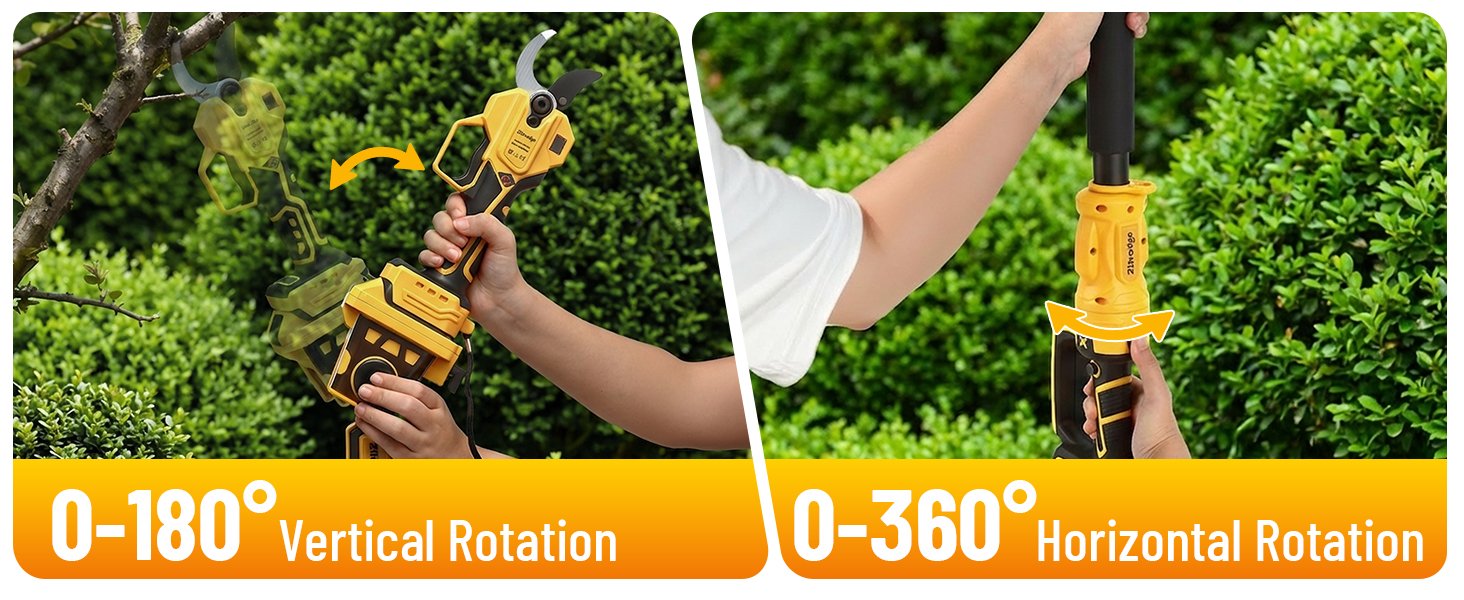
Buyers who already own battery-powered tools typically hope to reuse their existing batteries to reduce the cost of purchasing new equipment. However, procurement documents should not simply state “universal.” They should clearly specify the tool’s interface version, compatible battery models, and corresponding chargers. Similar appearances or voltage ratings should not be used as grounds for claiming universal compatibility.
In WindRider’s current documentation, the 200K and 480H combinations involve configurations that share batteries and telescoping poles. Orders and product pages should still list the exact kit models and their contents so that buyers know exactly which configuration they are purchasing. This is especially true for OEM orders: while branding, packaging, and colors can be customized, the specific models of batteries, chargers, poles, and accessories must be clearly listed item by item.
5. Compare operating weight when comparing battery configurations
In addition to runtime, the weight of the tool under actual working conditions must also be considered. The weight of the bare tool cannot be used as a substitute for its weight with the battery installed, nor can the weight of the handheld configuration be used as a substitute for the total weight with the telescoping pole installed.
It is recommended that suppliers provide the weights of the main unit, battery, pole, and the complete assembly separately, and specify which components are included in the measurement. When discussing length, it is also important to specify the scope: the length of the pole, the overall length of the assembled unit, and the actual reach of the operator should not be conflated.
The 200K can be used as a standalone handheld tool with the pole detached. This flexibility can be a factor when selecting a tool for different work scenarios. When describing this type of configuration, clearly specifying the conversion method and assembled weight is more useful than simply stating that it is “lightweight and easy to use.”
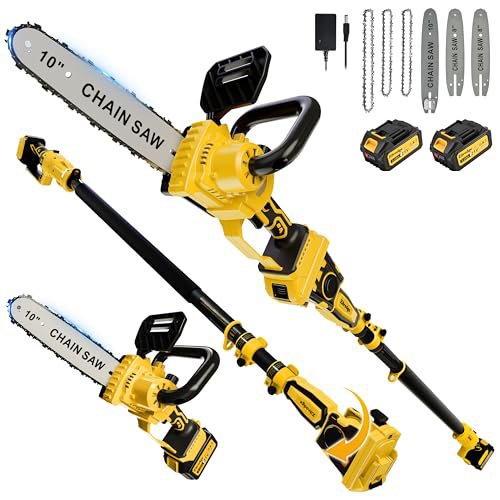
Table 1: Comparison of the 200K with Pole and the 480H Combination
| Comparison Item | 200K with Pole | 480H Combination |
|---|---|---|
| Primary Use | Cutting branches and wood | Trimming shrubs and hedges |
| Voltage | 18–21 V | 20 V |
| Motor | Brushless motor (4820 for 15 cm, 4825 for 20 cm) | Brushless motor (4820) |
| Cutting Capacity | Up to 22 cm for the 15 cm version; up to 28 cm for the 20 cm version | Branch diameter: 2 cm |
| Shaft Length | 120–280 cm, telescoping | 120–280 cm, telescoping |
| Battery Pack | 2 batteries, 3 Ah | 2 batteries, 3 Ah |
| Charger | European/US/Australian | European/US/Australian |
| Additional Accessories | One set of guide bar and chain, safety goggles, gloves | One set of guide bar and chain, safety goggles, gloves |
| Minimum Order Quantity | 500 sets | 500 sets |
| OEM Customization | Logo, packaging, color | Logo, packaging, color |
The value of this table lies in helping importers quickly determine whether these two products meet the needs of the target market. The 200K is better suited for cutting branches and wood, while the 480H is better suited for trimming shrubs and hedges; both share the same battery and shaft, making them ideal for bundled sales.
6. Compare kit contents and ongoing costs
Low-priced bare tools cannot be directly compared with kits that include batteries. Purchasing personnel should first ensure that quotations cover equivalent configurations before determining which configuration is suitable for the target sales channel.
Table 2: Comparison of Bundle Contents
| Comparison Item | Information Required from Suppliers | Significance for Procurement |
|---|---|---|
| Tool Version | Tool model and handheld or pole configuration | Avoid discrepancies between quotes and samples |
| Battery Configuration | Battery model, capacity per cell, and quantity | Clarify the actual scope of delivery |
| Charging Configuration | Number of chargers, input specifications, and plug types | Align with target market needs |
| Battery Life Specifications | Test conditions, operating time, or number of cuts | Determine whether the data is relevant to the customer’s application |
| Kit Accessories | Handle, blades, protective cover, and other accessories | Distinguish between included items and optional items |
| Future Supply | Replacement batteries, chains, guide bars, and blades | Assess long-term usability and after-sales support |
A dual-battery kit provides a spare battery, but the mere presence of “two batteries” does not guarantee continuous operation throughout the day. Whether alternating between the batteries can meet operating needs depends on the specific tasks and charging conditions.
In addition, the prices, availability, and warranty terms for replacement batteries and consumables should be clarified during the procurement phase. According to WindRider’s documentation, spare parts—including chains, guide bars, blades, and batteries—are available with a lead time of approximately 20 days; the warranty period for the unit and batteries is one year. End users are concerned about long-term usability, while dealers require corresponding parts and service arrangements.
7. Before placing a bulk order, confirm that the configuration sheet matches the sample and finalize the OEM scope
Before confirming a bulk order, compile a detailed bill of materials (BOM) based on the sample configuration, documenting the main unit version, battery, charger, pole, accessories, and packaging contents. If any changes occur subsequently, the specifications and quotation should be updated accordingly.
For the 200K with pole and 480H combination, it is especially important to list the two types of tools and shared components separately to avoid situations where “combo set” refers to different items in different communication documents.
OEM customization helps importers differentiate their products. WindRider currently supports minimum orders of 500 sets and offers customization for branding, packaging, and colors; chargers are available in versions for European, U.S., and Australian markets; and user manuals and testing documentation can be confirmed item by item based on model and market. A clear configuration table can also be used to prepare product pages, channel training materials, and after-sales documentation, enabling sales personnel to accurately answer customer questions.